Texture instead of gloss
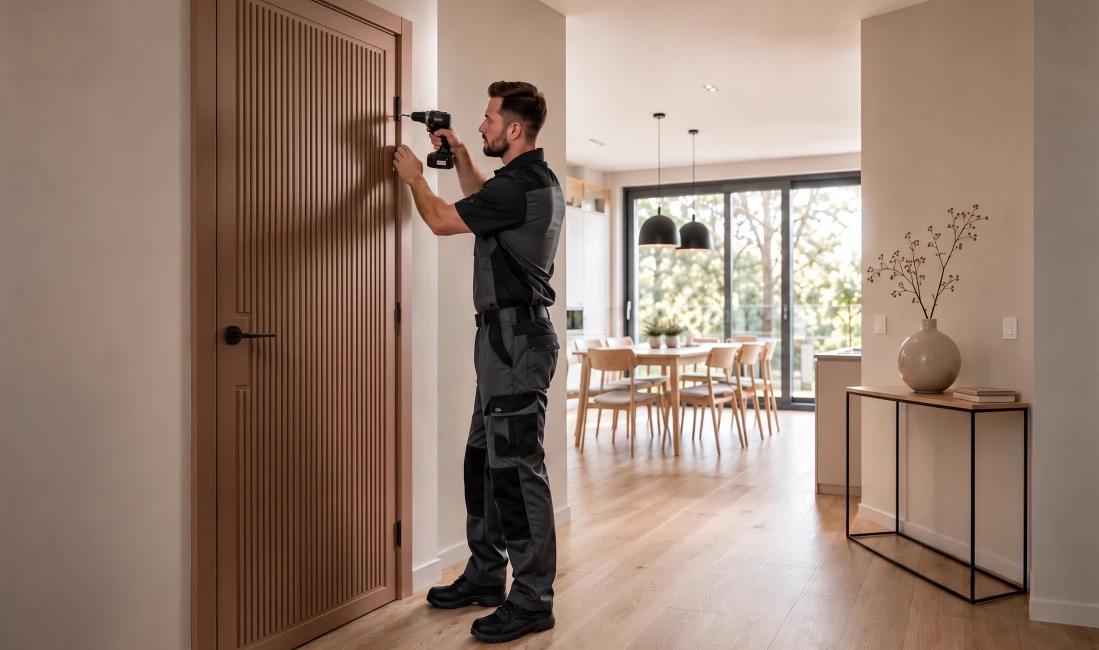
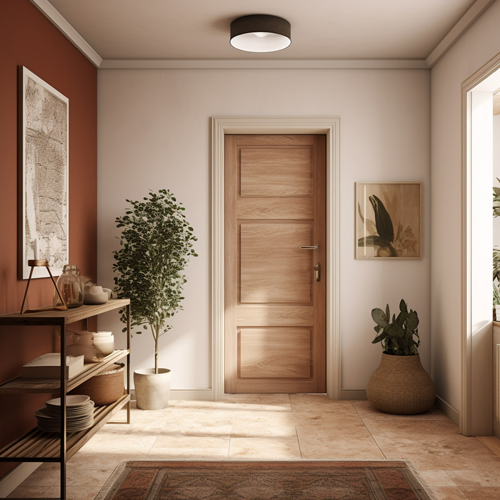
The main trend of 2026 is doors you want to touch: matte surfaces, wood grain, soft velvety finishes. Gloss and "plastic" shine are on the way out, giving way to calm natural textures.
A textured door fits easily into both classic and contemporary interiors. The key is to look at the floor and furniture: if the wood on the door and the parquet differ in tone and grain, they start to clash. It's better to pick one leading shade and echo it in the details.
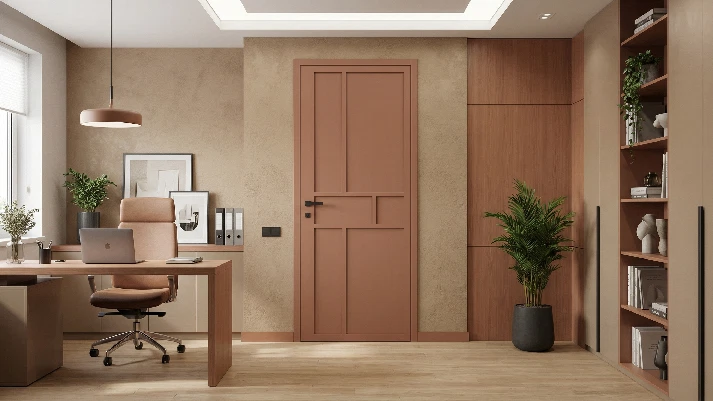
A door in the wall color
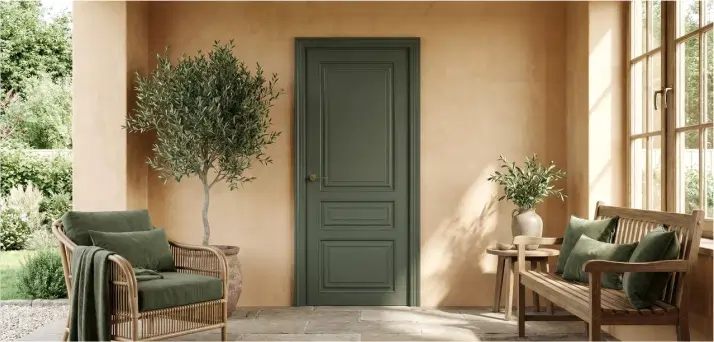
When the leaf is painted in the wall color, the doorway no longer breaks up the space. This trick helps especially in small apartments and long hallways, where several doors in a row would otherwise turn into a patchwork line.
For the effect to work, the color must match exactly. The easiest way is to order an enamel door with the same RAL or NCS code as the wall paint, or take a paint-ready leaf and paint it together with the walls.
Hardware you don't see
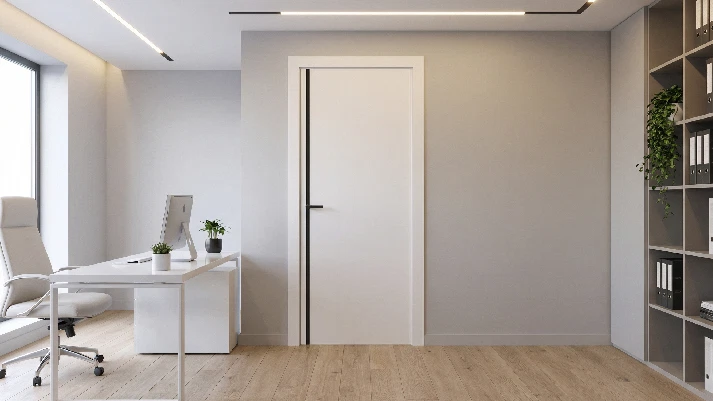
Handles are getting slimmer, hinges hide inside the leaf, locks work on magnets, and in the most minimalist interiors the door opens with a push. The fewer visible details, the calmer the wall looks.
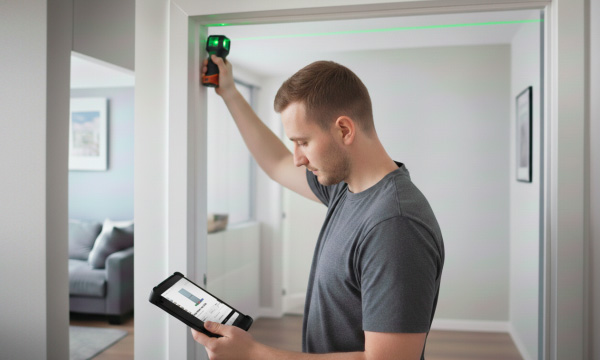
Discreet hardware has to be high quality: concealed hinges and magnetic locks last for years only when installed precisely. Saving on mechanisms means ending up with a door that needs constant adjustment.
Glass that divides but doesn't close off
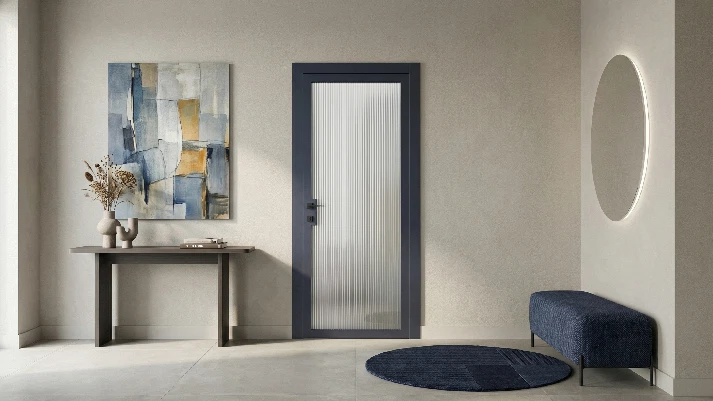
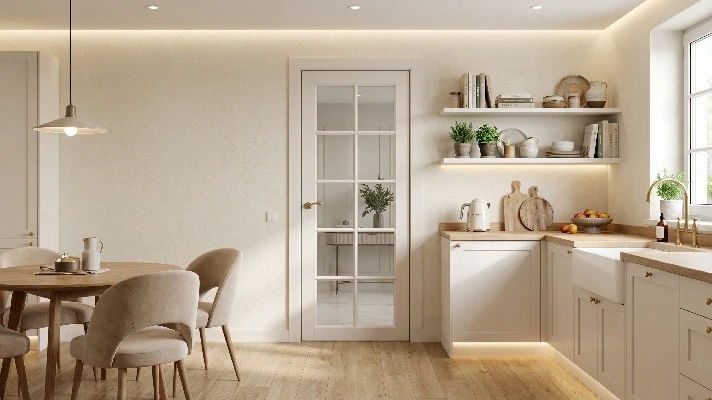
Glass doors and partitions separate zones while letting daylight through. Besides clear glass, reeded, frosted and tinted glass are popular — they hide the details behind the door but keep the room bright.
Glass is most often used between the kitchen and living room, in a study, walk-in closet or studio. It's best to choose a slim profile: then the glass, not the frame, stays the focus.